Detecting and Fixing Common Chimney Issues Before Winter
Key Takeaways
- Regular chimney inspections can prevent serious hazards.
- Common issues include creosote buildup, structural damage, and water intrusion.
- Professional services are recommended for thorough maintenance and repairs.
Table of Contents
- Importance of Chimney Maintenance
- Common Chimney Issues
- Signs Your Chimney Needs Repair
- Steps to Address Chimney Problems
- When to Call a Professional
- Preventive Measures for Chimney Health
- Conclusion
As winter approaches, ensuring your chimney is in top condition is crucial for both safety and efficiency. Neglecting chimney maintenance can lead to hazardous situations, including fires and carbon monoxide poisoning. This guide will help you identify common chimney problems and provide solutions to address them before the cold sets in. For professional assistance, consider the chimney repair services offered by Appalachian Chimney Service. Based in Clyde, NC, they have over 27 years of industry experience and serve the Western North Carolina area, ensuring your fireplace operates safely and efficiently throughout the colder months.
Importance of Chimney Maintenance
Regular chimney maintenance is essential to ensure the safe operation of your fireplace or wood stove. Over time, chimneys can accumulate creosote, a highly flammable byproduct of burning wood, which increases the risk of chimney fires. Additionally, structural issues can develop, posing hazards such as carbon monoxide leaks or even chimney collapse.
Common Chimney Issues
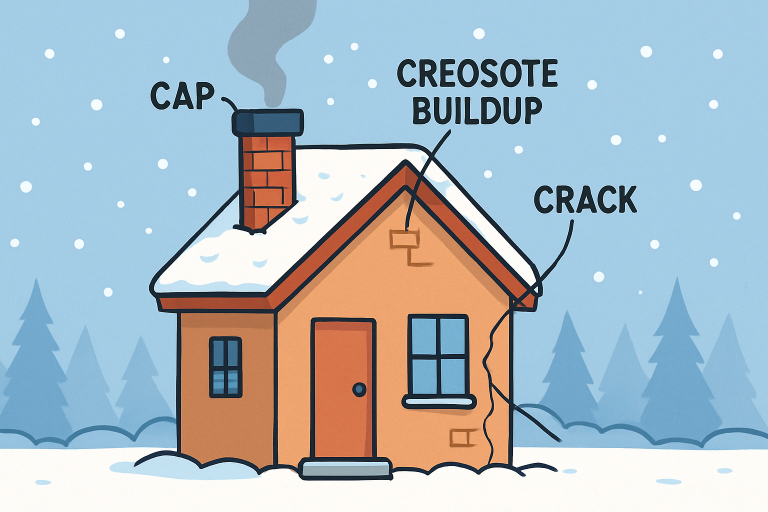
Several issues can significantly impact chimneys, particularly in areas experiencing severe winter weather. One major concern is creosote buildup, a tar-like substance that can ignite and potentially lead to hazardous chimney fires, a risk often addressed in a comprehensive chimney cleaning maintenance guide. In addition, the structural integrity of a chimney may be compromised by cracked or deteriorated mortar caused by repeated freezing and thawing cycles in colder climates.
Water damage is another critical issue, as moisture can infiltrate the chimney, leading to rusted components and weakened masonry over time. Blockages caused by debris, such as leaves, twigs, or animal nests, can also obstruct the flue, interfering with proper ventilation and heightening safety concerns. Regular inspections and ongoing maintenance are essential to identify these problems early, reduce potential hazards, and ensure the chimney remains safe, efficient, and functional year-round.
Signs Your Chimney Needs Repair
Homeowners need to be aware of several critical signs that indicate their chimney may require professional attention. Firstly, white staining, or efflorescence, on the chimney's exterior is a significant warning sign of moisture intrusion. This issue can cause serious structural damage if left unaddressed. Secondly, homeowners should inspect for cracked bricks or spalling, as visible cracks and flaking in the chimney's masonry indicate deterioration from factors such as water damage or the freeze-thaw cycle. Additionally, rust on metal components such as dampers or fireboxes often indicates excessive moisture within the chimney, which can lead to further deterioration. Finally, any instance of smoke entering the home rather than exiting through the chimney is a serious concern, potentially indicating a blockage or a draft issue, and requires immediate attention to ensure safety and functionality.
Steps to Address Chimney Problems
Addressing chimney issues involves several key steps:
- Inspection: Conduct a thorough visual examination of the chimney's interior and exterior to identify any visible damage or blockages.
- Cleaning: Remove creosote buildup and any obstructions from the flue to ensure proper ventilation.
- Repairs: Fix any structural issues, such as cracked mortar or damaged bricks, to restore the chimney's integrity.
- Waterproofing: Apply a waterproof sealant to the exterior of the chimney to prevent future moisture intrusion.
When to Call a Professional
For homeowners, while minor maintenance tasks can be undertaken independently, specific conditions necessitate the engagement of professional services. It is recommended to contact a certified chimney sweep for noticeable structural damage, such as substantial cracks or a chimney that appears to be leaning. Additionally, persistent water leaks or indications of moisture within the home warrant professional attention. Homeowners should also seek expert help if they experience unusual odors or smoke infiltrating their living environment. Furthermore, evidence of animal intrusion or blockages that are not easily manageable signals the need for professional intervention to ensure the chimney's safety and proper functioning.
Preventive Measures for Chimney Health
To ensure a healthy chimney and mitigate future issues, several preventive measures should be considered. First, annual inspections conducted by a certified professional are crucial for early identification of potential problems. Secondly, proper usage of the fireplace is essential; only seasoned wood should be burned to minimize creosote buildup, while avoiding materials that produce excessive smoke or residue is vital. Additionally, installing a chimney cap is recommended to prevent debris and animals from entering the chimney, thereby reducing the risk of blockages. Lastly, it is important to monitor for any signs of damage regularly and address them promptly to avoid further deterioration of the chimney's structure.
Conclusion
Ensuring your chimney is in optimal condition before winter is vital for the safety and comfort of your home. By recognizing common issues and taking proactive steps to address them, you can enjoy a warm and secure winter season. For comprehensive chimney repair services, consider reaching out to Appalachian Chimney Service. As a trusted provider in Western North Carolina, they specialize in chimney repair and restoration, ensuring your fireplace operates safely and efficiently throughout the colder months.
- Residential Driveway Planning Guide: Materials, Drainage, Installation, and Maintenance - August 20, 2026
- A Flexible Zion National Park Itinerary for Hikers, Families, and Scenic Road Trippers - August 20, 2026
- Persistent Odors Need Source-Level Treatment: FIRESTONE Restoration Provides Professional Ottawa Sanitizing Services - August 20, 2026