Choosing Quality Roofing for Your Home: Important Factors to Consider
A roof is more than just a capstone to a building; it is your home's vital protector from the elements, a significant energy saver, and a significant financial investment. When it comes to choosing the right roofing for your home, the critical decision-making process can be a daunting task as it not only involves aesthetic choices but also practical considerations for long-term durability and cost-effectiveness. In this comprehensive blog post, we'll guide you through the essential elements to consider when selecting quality roofing that will safeguard your home and add value for years to come.
Speaking with Roofing Experts
The first step in the roofing selection process is educating yourself on the various materials and styles available. It's essential to speak with roofing company professionals who can provide you with valuable insights into recent roofing trends, the pros and cons of different materials, and the estimated lifespan and maintenance requirements for each option. You should start by contacting several local roofing companies to gather a range of perspectives. Remember to ask key questions such as:
What are the most popular roofing materials for homes in our region?
Can you provide references from previous clients in our neighborhood?
How does the roofing material I'm considering compare in terms of durability and energy efficiency?
Roofing companies possess in-depth knowledge and experience in working with a variety of roofs, and tapping into this expertise can streamline your decision-making process and ensure that you make the most informed choice.
Material Matters: Assessing Your Options
The material you choose for your roofing can significantly affect your home's curb appeal, energy efficiency, and maintenance needs. To help you weigh your options, we've detailed some of the most common roofing materials below:
Asphalt Shingles: The All-American Choice
For many homeowners, asphalt shingles remain the default choice for their roofing needs. They are affordable, easy to install, and come in a variety of colors and styles. However, they have a shorter lifespan compared to other materials, typically around 20 years, and may require more frequent maintenance.
Metal Roofing: The Modern Marvel
Metal roofing has grown in popularity due to its exceptional durability (often lasting 50 years or more), energy efficiency, and fire-resistance qualities. It's available in an array of designs, from traditional shingles to sleek panel systems, making it a versatile choice for any home.
Slate and Tile: The Timeless Appeal
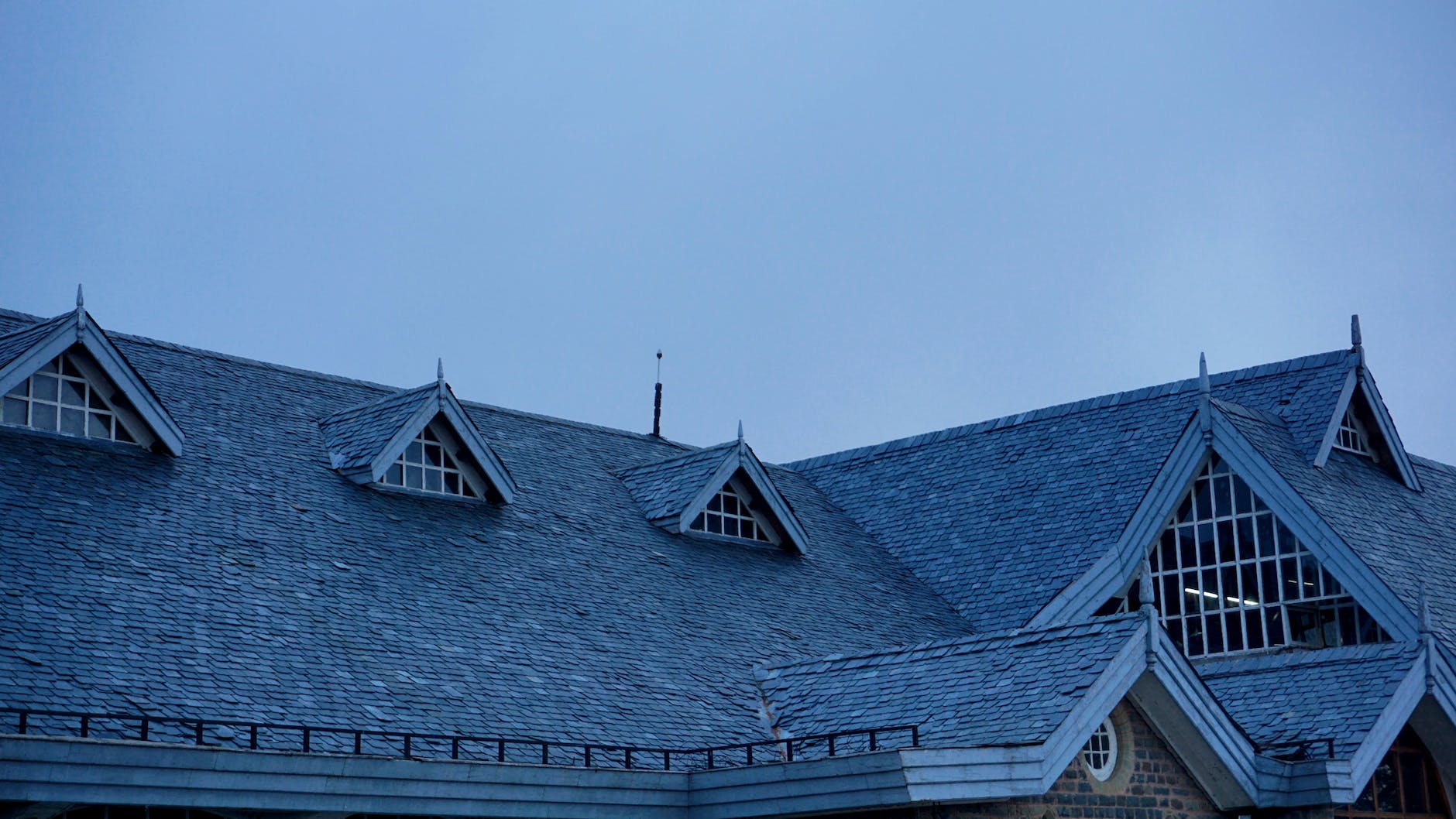
Slate and tile roofing offers a classic, upscale look and an exceptionally long lifespan, often over a century. They are also fire-resistant and require minimal maintenance. However, they are heavy, often necessitating additional roof support, and can be costly.
Wood Shakes and Shingles: The Rustic Charm
Wood shakes and shingles provide a natural, rustic aesthetic that can complement a range of architectural styles. While they are energy-efficient and relatively simple to repair, they are not as fire-resistant as other materials and require regular maintenance to prevent rot and insect damage.
Other Considerations: Environment and Cost
When selecting your roofing material, you should also consider your local climate and environmental factors. Some materials, like metal and tile, are particularly well-suited for hot, sunny climates due to their reflective properties. Others, such as asphalt shingles, perform better in colder climates. Additionally, factor in the distance the material has traveled to get to your home to gauge its overall environmental impact.
Cost is another crucial consideration. While the upfront cost of roofing material is an important consideration, you should also think about the long-term financial implications. This includes the material's expected lifespan, maintenance requirements, and potential energy savings. A higher initial investment in a more durable and energy-efficient material could save you money over time.
Identifying Warranties and Certification
A warranty can be a telling sign of the manufacturer's confidence in the quality of their product. Be sure to understand the details of the warranty offered with your roofing material, including the duration, what it covers, and any actions that might void it. You'll want to have a clear picture of what kind of protection you can expect in the event of defects or premature wear.
Additionally, consider the certifications of both the roofing material and the installation company. Certifications, such as those provided by the Asphalt Roofing Manufacturers Association or the National Roofing Contractors Association, can be a sign that you are getting quality materials and workmanship. They often come with additional benefits, such as extended warranties and enhanced customer service.
By thoroughly evaluating these factors and taking your time with the decision, you can have confidence that the roofing you choose will be a wise investment that meets your needs and brings you peace of mind for years to come. Protecting your home with quality roofing is not just about the present—it's about building a secure future under one of life's most significant investments.
- Residential Driveway Planning Guide: Materials, Drainage, Installation, and Maintenance - August 20, 2026
- A Flexible Zion National Park Itinerary for Hikers, Families, and Scenic Road Trippers - August 20, 2026
- Persistent Odors Need Source-Level Treatment: FIRESTONE Restoration Provides Professional Ottawa Sanitizing Services - August 20, 2026