Boost Wellness at Home With These Easy Improvements
Wellness begins at home, where people spend most of their time resting, working, and connecting with family. A house that supports health does more than provide shelter. It creates an environment that promotes balance, comfort, and vitality. Simple improvements, when done consistently, transform a home into a space that enhances both physical and mental well-being.

Improve Indoor Air Quality
Clean air remains one of the most overlooked contributors to wellness. Dust, allergens, and pollutants easily accumulate indoors, leading to respiratory discomfort and fatigue. Regular ventilation, strategic use of air purifiers, and proper HVAC maintenance all help keep air fresh.
Even a task as simple as replacing filters makes a difference. Many people underestimate the importance of air filter changes, yet filters play a central role in blocking harmful particles and maintaining airflow. Cleaner air reduces allergies and improves sleep, which directly supports better health. A focus on indoor air ensures that every breath contributes to vitality rather than discomfort.
Focus on Natural Light
Sunlight influences mood, energy, and sleep cycles. Homes that maximize natural light create uplifting atmospheres that energize occupants. Open curtains during the day, position mirrors to reflect sunlight, and choose lighter paint colors to make rooms brighter.
Natural light supports circadian rhythms, helping the body regulate sleep and wake cycles. Exposure to daylight during the day improves focus and reduces stress. Incorporating skylights or larger windows can enhance spaces while blending design with wellness benefits.
Prioritize Quality Sleep
A home that encourages restorative sleep sets the foundation for health. Comfortable mattresses, supportive pillows, and blackout curtains all contribute to better rest. Limiting electronics in bedrooms reduces distractions and promotes relaxation.
Temperature control also matters. Cooler rooms often support deeper sleep by signaling to the body that it is time to rest. Sound machines or quiet fans create calming environments, blocking disruptive noise. By prioritizing sleep-friendly design, homeowners establish strong routines that improve energy and reduce fatigue.
Create Spaces for Movement
Physical activity at home does not require a full gym. Even small, dedicated areas for stretching, yoga, or bodyweight exercises help people stay active. Space-efficient equipment, such as resistance bands or dumbbells, provides flexibility without crowding living areas.
Movement supports cardiovascular health, reduces stress, and improves mood. Families can make wellness social by exercising together, turning activity into a bonding experience. A designated movement space encourages consistency and makes fitness feel like a natural part of daily life.
Reduce Stress With Calming Design Choices
Colors, textures, and layouts influence mood more than many realize. Soft, neutral tones create relaxing environments, while natural materials like wood and stone provide warmth. Comfortable seating, cozy rugs, and clutter-free surfaces support peace of mind.
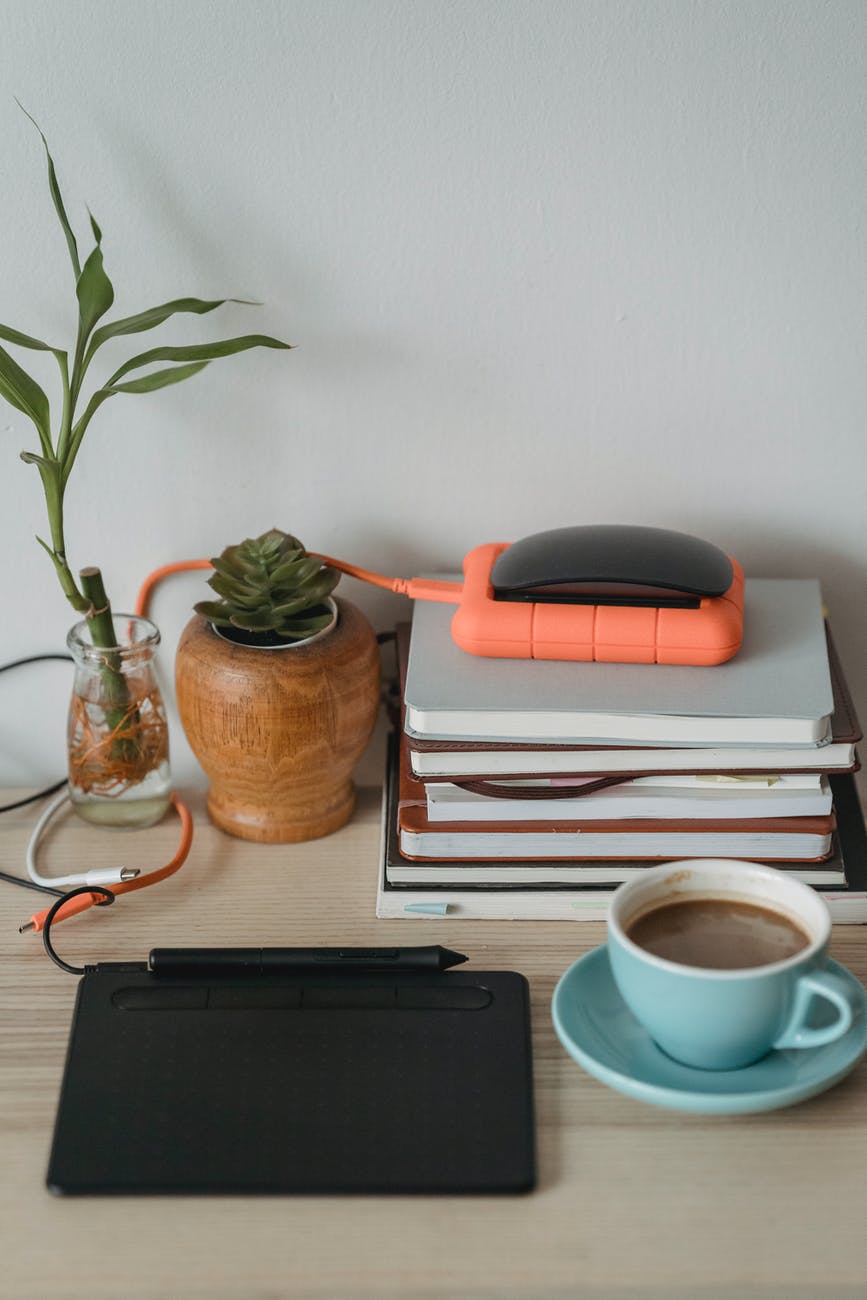
Plants add life and tranquility, boosting mood while improving air quality. Strategic design choices reduce stress and make spaces more enjoyable. A calm home environment nurtures emotional balance and provides a safe retreat from daily pressures.
Upgrade Kitchen Habits and Layout
Wellness thrives when nutrition remains a priority. A kitchen designed for healthy cooking encourages better eating habits. Organizing pantry items, storing fresh produce in visible places, and keeping cooking tools within easy reach all promote healthier choices.
Updating appliances to energy-efficient models saves money and supports consistent meal preparation. A clean, functional kitchen inspires more home-cooked meals, which provide nutritional benefits that processed foods cannot match. Wellness begins with the meals prepared each day, and the kitchen environment influences those choices.
Maintain Balanced Humidity Levels
Air that is too dry irritates skin and respiratory passages, while air that is too humid creates breeding grounds for mold and dust mites. Balanced humidity supports both health and comfort.
Dehumidifiers reduce moisture in damp areas like basements, while humidifiers add comfort during colder months. Monitoring devices help track conditions and guide adjustments. A balanced environment protects both people and property, ensuring wellness extends throughout the home.
Enhance Mental Health With Purposeful Spaces
Mental wellness requires areas dedicated to reflection, creativity, or relaxation. A quiet reading corner, meditation nook, or hobby space provides outlets for stress and encourages mindfulness. These spaces do not require large areas, only intentional design.
Comfortable seating, good lighting, and personalized décor turn corners into restorative escapes. Having designated places for relaxation reminds individuals to pause and recharge. Mental balance improves when homes support both productivity and tranquility. Even small design choices can have a lasting impact on emotional well-being.
Keep Technology in Balance
Technology enriches modern living but can overwhelm if unchecked. Managing screen time and setting boundaries helps protect mental clarity. Creating tech-free zones, such as dining rooms or bedrooms, fosters healthier connections with family.
Smart home devices can support wellness when used intentionally. Automated lighting, air quality monitors, and fitness apps provide valuable feedback. By balancing use, homeowners enjoy the benefits of technology without letting it dominate their environment.
Outdoor Areas That Support Wellness
Outdoor spaces expand wellness opportunities. Patios, balconies, and gardens serve as places for relaxation, exercise, and family gatherings. Exposure to fresh air and nature reduces stress and restores energy.
Adding comfortable seating, greenery, and weather-appropriate features makes outdoor areas more inviting. Even small spaces contribute to wellness when designed thoughtfully. Homes that encourage outdoor living provide a balance between indoor comfort and natural rejuvenation.
Regular Cleaning as a Path to Wellness
A clean home creates a healthier environment both physically and mentally. Dust, dirt, and clutter contribute to allergies, stress, and distraction. Establishing consistent cleaning routines ensures that spaces remain fresh and welcoming.
Vacuuming with HEPA filters, wiping surfaces, and organizing storage areas reduce allergen levels and improve air quality. Clutter-free rooms promote mental clarity, while clean kitchens and bathrooms reduce germs. Maintaining tidiness fosters a sense of order and supports a calm, balanced lifestyle.
Wellness at home requires attention to both physical and emotional needs. Clean air, natural light, restful sleep, and healthy nutrition all create a strong foundation. Design choices, movement spaces, and mental health areas add depth to this foundation, while balanced humidity and outdoor areas enhance overall comfort. By making small but deliberate changes, homeowners transform their spaces into environments that promote health, balance, and happiness every day.
- Residential Driveway Planning Guide: Materials, Drainage, Installation, and Maintenance - August 20, 2026
- A Flexible Zion National Park Itinerary for Hikers, Families, and Scenic Road Trippers - August 20, 2026
- Persistent Odors Need Source-Level Treatment: FIRESTONE Restoration Provides Professional Ottawa Sanitizing Services - August 20, 2026