Benefits of Regular Eye Exams
Key Takeaways
- Early detection of eye diseases can prevent vision loss.
- Eye exams can reveal systemic health conditions such as diabetes and high blood pressure.
- Regular check-ups ensure vision prescriptions stay accurate for everyday comfort and productivity.
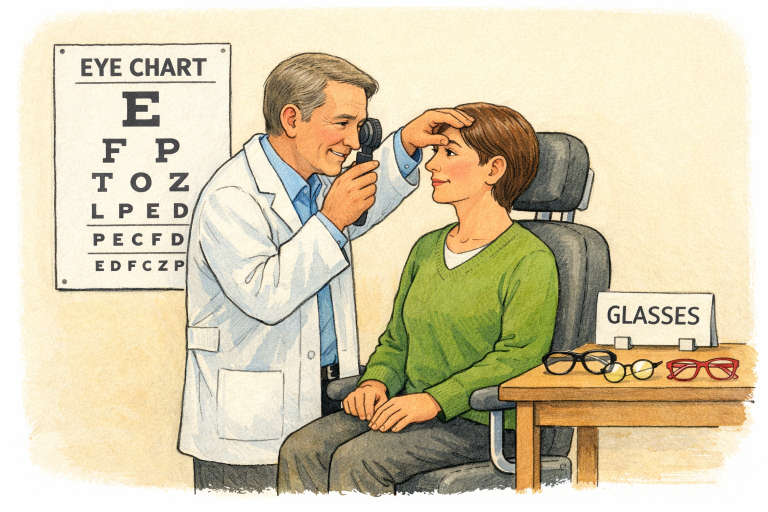
Prioritizing routine eye exams is crucial for both maintaining sharp vision and supporting your broader health. Visiting an eye care specialist on a recommended schedule helps diagnose vision issues early and may also bring to light serious health problems before symptoms become obvious to you. With easy access to affordable prescription glasses, preserving your eyesight and eye comfort is more achievable than ever.
Aside from correcting blurry vision, regular eye exams serve as a comprehensive health check. They are a proven avenue to catch sight-threatening diseases at a stage when they are easiest to manage, as well as to discover systemic illnesses that could impact your well-being. Prioritizing frequent visits to your eye doctor enhances your quality of life and sets the foundation for long-term wellness.
Early Detection of Eye Diseases
Eye conditions such as glaucoma, diabetic retinopathy, and age-related macular degeneration develop gradually and may have no early symptoms. A thorough eye exam checks for these diseases, often finding them before you notice any vision changes. Early detection and timely intervention remain the best ways to prevent permanent damage. As the Centers for Disease Control and Prevention notes, many eye diseases can be treated more successfully when discovered early.
Uncovering Systemic Health Issues
Your eyes can provide clues about conditions affecting the whole body, including diabetes, hypertension, and even some types of cancer. Changes to the blood vessels or nerves in the eye often reflect changes elsewhere, giving your doctor a window into your systemic health. This is why an eye exam can uncover problems before you even notice non-visual symptoms. The National Institutes of Health also supports the crucial role of eye exams in catching diseases early, noting how the eye offers unique insight into your health status.
Ensuring Accurate Vision Correction
Clear, comfortable vision impacts everything from daily routines to professional productivity. Prescriptions for glasses or contact lenses require regular updates as our eyes change over time. Inaccurate or outdated prescriptions can cause eye strain, frequent headaches, and difficulty concentrating, ultimately hindering work or school performance and daily enjoyment.
Preventing Digital Eye Strain
With the increasing use of computers, tablets, and smartphones, digital eye strain has become a significant problem. Symptoms include dryness, irritation, blurred vision, and headaches. Regular eye exams help identify these symptoms and allow eye care professionals to recommend proper adjustments or specialized lenses to reduce eye fatigue and keep eyes healthy during screen time.
Monitoring Children's Vision Development
Children rely on unimpaired vision for learning and development. Undetected vision problems may result in difficulty reading, poor academic performance, and behavioral issues. Regular eye exams, starting at a young age, can detect and correct common problems like amblyopia (lazy eye) while treatment is most effective, ensuring children reach their full potential in school and beyond.
Guidelines for Eye Exam Frequency
How often you need an eye examdepends on your age, family history, and personal risk factors. The American Optometric Association recommends comprehensive exams at least every two years for adults aged 18 to 39. Adults over 40 should be seen annually. People with higher risks, such as those with diabetes or a family history of eye disease, may need visits more often. Following these guidelines fosters a proactive approach to preserving vision and maintaining optimal health. Guidelines are also available from the Mayo Clinic for detailed reference.
Additional Benefits and Considerations
Regular eye exams also contribute to increased safety, particularly for those who drive or operate machinery. Good vision is fundamental for reaction time and spatial awareness, which are critical for accident prevention both on the road and in the workplace. Early identification of subtle vision changes can alert individuals to take corrective action, reducing the risk of mishaps.
Eye exams provide a valuable opportunity to talk with your eye care provider about lifestyle changes that may protect your ocular health. Nutrition, exercise, and protection from ultraviolet (UV) radiation are common topics. For instance, your optometrist might recommend specific vitamins or dietary adjustments that can help slow the progression of age-related vision issues. Wearing sunglasses that block 100% of UVA and UVB rays and using protective eyewear during activities that pose a risk of eye injury also rank among the most important preventive strategies.
For individuals with chronic health conditions such as diabetes or autoimmune diseases, regular eye care is even more essential. These medical issues can lead to complications affecting the eyes, which, if detected early, can be managed to preserve long-term vision. Pregnant women may also experience changes in their vision due to hormonal fluctuations, making interim eye check-ups an important consideration during pregnancy.
Moreover, vision health is intricately tied to mental and emotional well-being. Undiagnosed vision problems may cause frustration, anxiety, or a decline in self-confidence, especially in older adults who face challenges in everyday tasks. By safeguarding vision, regular eye exams play a part in maintaining autonomy and quality of life as you age.
Conclusion
Routine eye exams play a pivotal role in maintaining healthy vision and safeguarding your health. From detecting sight-stealing diseases early to catching systemic conditions, they are a critical preventive care tool. Schedule your next eye exam to ensure clear vision, timely intervention, and a better quality of life, now and in the years to come.
- Residential Driveway Planning Guide: Materials, Drainage, Installation, and Maintenance - August 20, 2026
- A Flexible Zion National Park Itinerary for Hikers, Families, and Scenic Road Trippers - August 20, 2026
- Persistent Odors Need Source-Level Treatment: FIRESTONE Restoration Provides Professional Ottawa Sanitizing Services - August 20, 2026