Masters of Flavor: Elevating BBQ with Sweet, Savory, and Smoky Infusions
Barbecuing is deeply rooted in American culture, with a variety of regional styles and personal touches, from backyard enthusiasts to professional pitmasters. Barbecue's appeal comes from its complex flavors, with the balance between sweet and savory flavors being especially important. The right balance can elevate a simple meal into a memorable experience. This blend is key for both taste and creating a culinary identity, as the right combination can define a BBQ chef's unique style. The quest for the perfect BBQ flavor profile is a hot topic, driven by consumers' developing tastes and a growing interest in culinary sophistication.
While some purists might sway toward traditional recipes, contemporary BBQ enthusiasts are exploring new possibilities, trying to find the perfect balance between savory and sweet. This exploration isn't just about adding sugar or salt—it's about achieving harmony across all ingredients and techniques. In this article, we'll look closer into the detailed world of BBQ flavors, discussing how to understand and optimize flavor profiles for the best results. We will also share various tips and techniques for achieving this balance, like selecting the optimal ingredients and seasonings, building layers of flavor, and considering the role of side dishes.
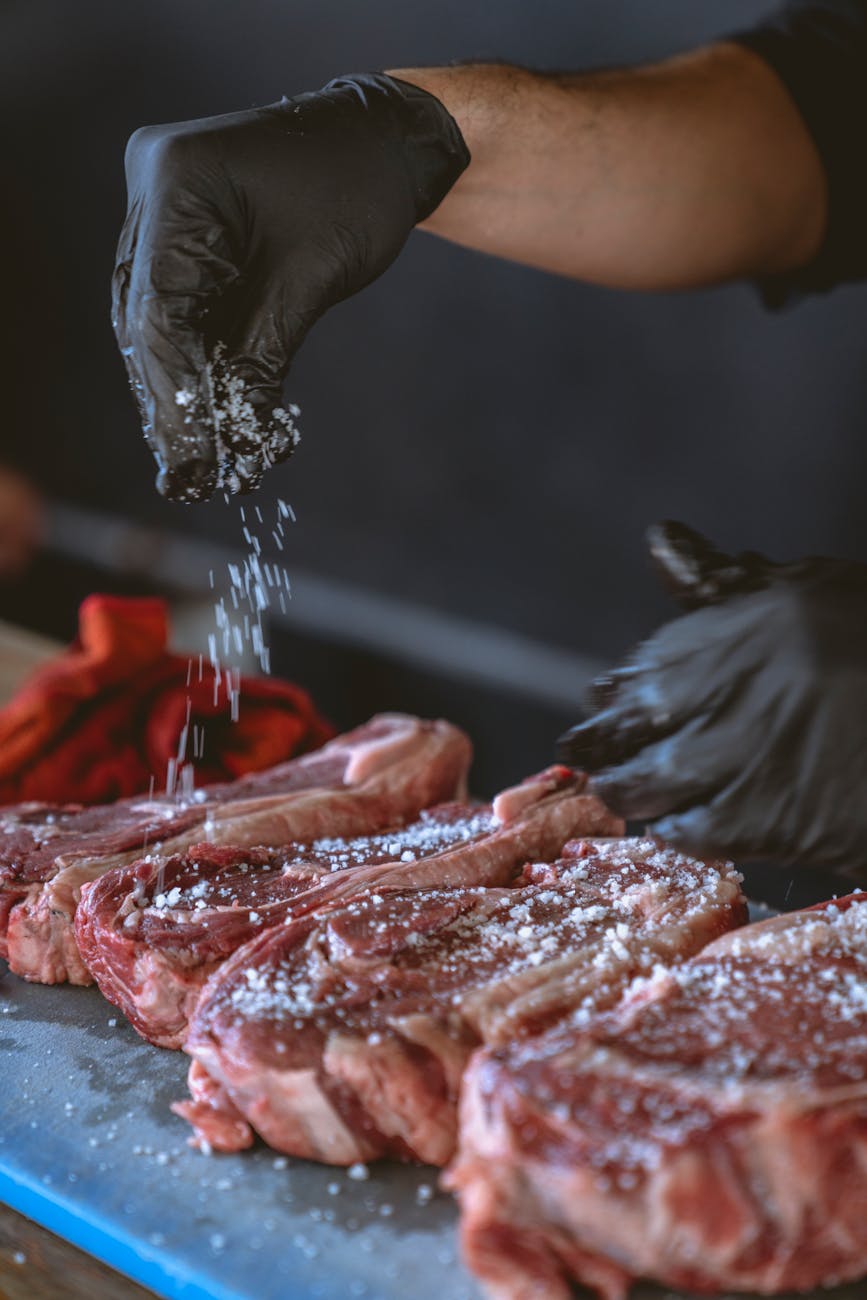
Understanding Flavor Profiles
Having a fundamental grasp of BBQ flavor profiles lays the groundwork for culinary success. To understand the spectrum of tastes, one must consider that sweet flavors often originate from sugars—honey, brown sugar, and the natural sweetness found in fruit juices are prime examples. Savory flavors typically come from ingredients like onions, garlic, and other spices.
The skill in BBQ is found in the balance between these sweet and savory notes, creating a well-rounded dish. It's about finding the perfect balance where neither overpowers the other, rather they complement and enhance to produce a delightful tasting experience.
Choosing the Right Ingredients
When finding the right balance between sweet and savory, it's important to select a variety of ingredients that complement each other's flavors. For instance, molasses brings a rich, sweet base that pairs well with the umami depth of soy sauce. Adding a splash of Worcestershire sauce adds a touch of tanginess and additional layers, resulting in a more full-bodied and distinct flavor.
Finding the perfect flavor combination requires experimenting with different amounts—what suits one person may not suit another. Every palate is unique; making experimentation a reliable method to achieve the right balance. By understanding what each component adds, you can achieve a harmony that brings out the best in each ingredient without any one flavor dominating the sauce.
Layering Flavors
To add depth to BBQ flavors, begin by soaking the meat in a blend of sweet and savory sauces to establish the initial taste. As the meat cooks, applying a complementary glaze introduces additional taste layers, combining the original tastes with new distinctions.
Before completing, a final brush of a strong BBQ sauce delivers a flavorful burst that brings the dish together. This enriches the flavor profile, and the final dish has a rich, well-balanced taste. By focusing on each step, you create a series of flavors, with each layer contributing to a more enjoyable meal.
Balancing Sweet and Savory Sides
When organizing the perfect BBQ meal, the importance of side dishes should not be underestimated. A well-executed BBQ often involves pairing the flavors of your main BBQ dishes with tasty sides. A creamy, tangy coleslaw, for instance, can provide relief to the rich flavor of sweet, saucy ribs, offering a refreshing crunch.
Then, consider the down-to-earth, satisfying character baked beans introduce, which enhance a light, caramelized BBQ chicken. Cornbread, slightly sweet, is a flexible side—its adaptability makes it a nice pairing for smokier cuts of meat. These choices are deliberate; they are selected for the contrast they introduce, which improves the entire meal, fostering a balance where each item contributes to the flavor experience.
Experimenting and Tasting
To master BBQ flavors, it's important to experiment with new flavor combinations and refine your palate by tasting often. This approach fosters a wider appreciation for how different flavors mix and affect each other. Being open to trying unconventional ingredients or modifying cooking methods can lead to discoveries of delicious flavor pairings.
Keep tasting your BBQ throughout the cooking process, adjusting your mixtures in search of the perfect balance; making small adjustments can greatly enhance the final result. It's a culinary process—an interplay with sweet and savory notes that requires patience, attention, and the confidence to trust your senses. Mastering BBQ isn't just about following tried-and-true recipes but also about being spontaneous and letting your personal taste be your guide.
Mastering BBQ isn't just about following a recipe; it's about creating a delicious experience by mixing sweet and savory flavors. Key tips to keep in mind include knowing your flavors well, choosing ingredients that go together, and adding layers of flavor as you cook. Side dishes are also central to balance out the flavors. Regular tasting and experimenting help you find the perfect taste. With this approach, your BBQ will not only fill your stomach but also make every bite a delight for your taste buds.
- Residential Driveway Planning Guide: Materials, Drainage, Installation, and Maintenance - August 20, 2026
- A Flexible Zion National Park Itinerary for Hikers, Families, and Scenic Road Trippers - August 20, 2026
- Persistent Odors Need Source-Level Treatment: FIRESTONE Restoration Provides Professional Ottawa Sanitizing Services - August 20, 2026