
A Guide to Designing a Contemporary Home
Creating a contemporary home relies on creativity and practicality. It’s a representation of sleek aesthetics, functional efficiency and innovative technology, all while reflecting your personality. Contemporary is an ever-evolving concept too, which means interior design has a lot to keep track of as well as a lot to offer.

Contemporary vs Modern
Defining the differences between contemporary and modern is the best place to start. These words are often used interchangeably, but there’s a difference in their meanings when it comes to the world of design.
Contemporary covers the 1970s to now and draws inspiration from all earlier eras. It’s constantly changing and evolving too. Modernism, however, covers the late 1800s to the 1950s to break away from the Victorian style.
Furniture
Characterised by clean lines, minimalist silhouettes and innovative materials, contemporary furniture uses sleek designs and geometric shapes to create a sense of visual interest. You’ll want to make a bold statement, while remaining simple. Contemporary interiors tend to take on a more minimalist approach too, opting for a ‘less is more’ attitude.
Without compromising on style or comfort, consider using materials like leather, metal and glass for an easy contemporary touch.
Flooring
When choosing your floor, you’ll want to go for materials that are durable and easy to maintain as well as aesthetically pleasing. In a contemporary home, you should go for plain and smooth floors. Something minimalistic that you can strategically place rugs on.
Wood flooring offers natural beauty and warmth to your interior, making it an ideal choice. Alternatively, luxury vinyl tile is a durable and low-maintenance option that can mimic natural materials at a lower cost. If you’re after a more industrial style, you could even consider polished concrete.
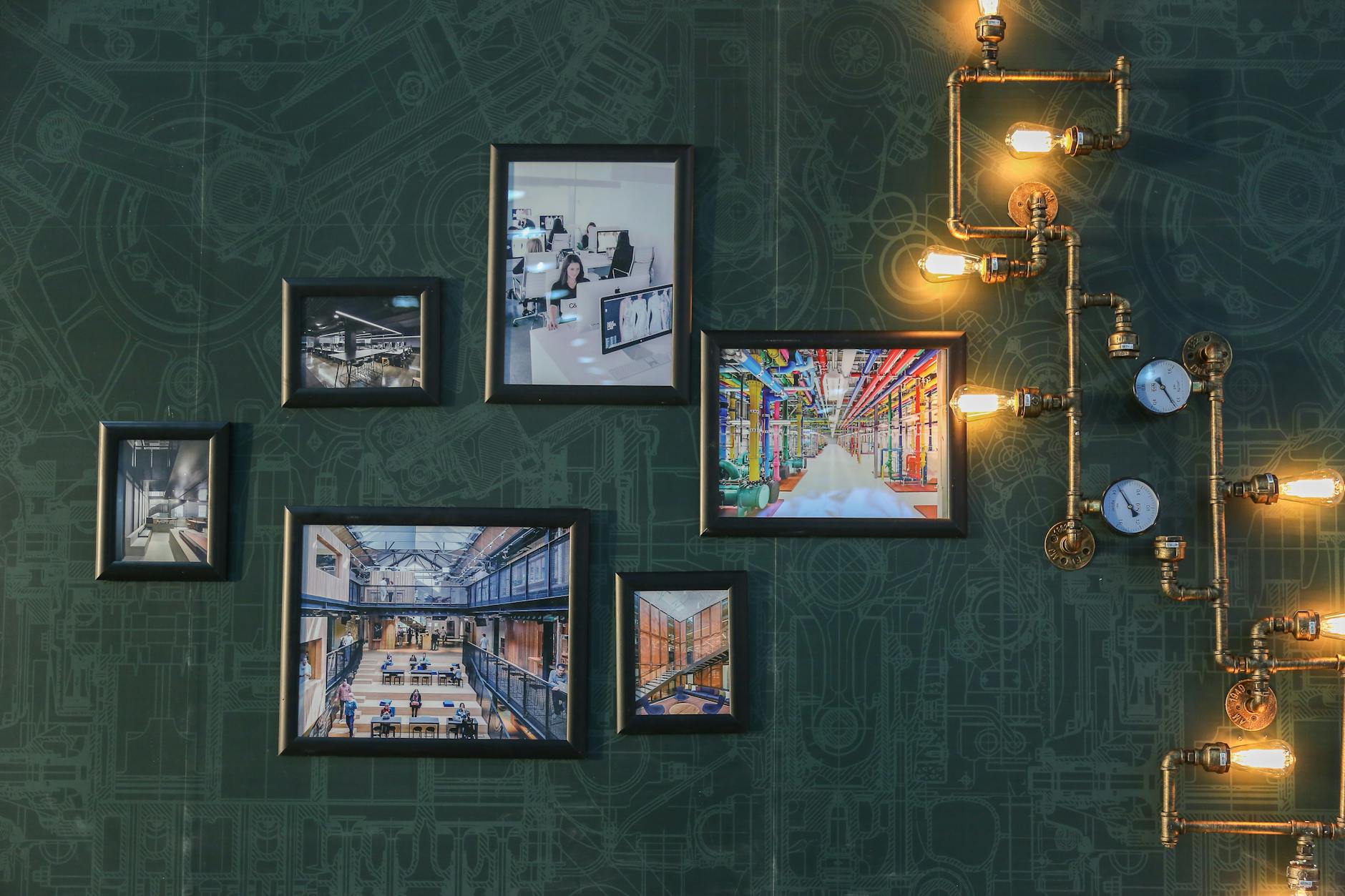
Wallpaper and Wall Treatments
Wallpaper is a powerful tool for adding personality and character to any home, especially a contemporary one. By choosing bold patterns, graphic prints or even subtle textures to create a focal point or accent wall, you can command attention without overpowering the space.
If wallpaper isn’t your style though, you can use paint to create a calming and cohesive backdrop for the rest of your room. You can achieve this by using soft pastels or neutral tones.
Wall treatments, such as wood panelling or exposed brick can also add texture and architectural interest. This leads to a sense of depth and dimension in your space.
Lighting
By incorporating a variety of light styles and settings, you can create a functional and aesthetically pleasing atmosphere to fit any mood and activity. Pendant lights, track lighting and recessed fixtures are popular choices for contemporary homes as they’re practical and stylish.
Consider installing dimmer switches or smart lighting systems to enhance flexibility and control over the lighting scheme. This allows you to create the perfect ambiance for any occasion!
Decoration and Accessories
Like with furniture, you’ll want to adopt a ‘less is more’ attitude when you’re decorating for your contemporary home.
Choose a few statement pieces that reflect your personal style and add character to the space without overwhelming it. You can include artwork, sculptures and decorative objects that complement the overall appearance of your space. Mixing bright and bold colours into your décor is a great way to bring attention to your interior as it goes against the neutral palette.
Plants are another wonderful way to bring your contemporary interior to life. Adding a touch of nature and softness to the sleek and streamlined design.
Technology
With the constant development of technology, contemporary homes are incorporating more smart technology into their interiors. This has enhanced comfort, convenience and energy efficiency.
Consider integrating smart thermostats, lighting systems and maybe even security cameras into your home design to help with daily life and practicality. You should also conceal wiring and outlets to help keep a clean and minimalist aesthetic.
- Residential Driveway Planning Guide: Materials, Drainage, Installation, and Maintenance - August 20, 2026
- A Flexible Zion National Park Itinerary for Hikers, Families, and Scenic Road Trippers - August 20, 2026
- Persistent Odors Need Source-Level Treatment: FIRESTONE Restoration Provides Professional Ottawa Sanitizing Services - August 20, 2026


