How To Gain Weight When Preparing For A Sports Tournament
For many athletes, intense training and meticulous preparation are the building blocks of success in sports tournaments. While most resources and guides focus on weight loss and achieving a lean physique, there is a significant segment of athletes who face a unique challenge: gaining weight before a crucial competition. Whether you're a wrestler moving up to a higher weight class, a rugby player seeking to increase strength, or an endurance athlete aiming to improve endurance, understanding how to gain weight effectively is essential.
In this blog post, we will explore practical strategies and valuable insights that can help you navigate the journey of weight gain while preparing for a sports tournament. Without further ado, let's get started.
Understand Your Caloric Needs
Before embarking on a weight gain journey for a sports tournament, it is essential to have a clear understanding of your specific caloric needs. Every individual has unique energy requirements based on factors such as age, gender, weight, height, activity level, and metabolism. Consulting with a sports nutritionist or using online calculators tailored for athletes can help you determine your baseline caloric intake.
This information will serve as a foundation for designing an effective weight gain plan. By knowing your caloric needs, you can create a targeted approach that ensures you are consuming an appropriate surplus of calories to support weight gain while fueling your athletic performance.
Utilize Nutritional Supplements
Nutritional supplements can be beneficial when trying to gain weight for a sports tournament. They can provide an additional source of calories, macronutrients, and micronutrients to support muscle growth and recovery. For instance, if you want to pack on muscle, protein shakes, and weight gain powders are popular options as they offer a concentrated dose of protein and carbohydrates. These supplements can be conveniently consumed before or after workouts to enhance muscle repair and glycogen replenishment.
However, it's important to note that supplements should not replace whole foods and should be used in conjunction with a balanced diet. Consulting with a healthcare professional or sports nutritionist is recommended to determine the right supplements and appropriate dosages for your specific needs. There are vitamins for muscle growth and repair or essential fatty acids that can support healthy weight gain. Not to mention, proper hydration and electrolyte balance are crucial for athletes, so incorporating sports drinks or electrolyte supplements may also be beneficial.
Designing a Balanced Meal Plan
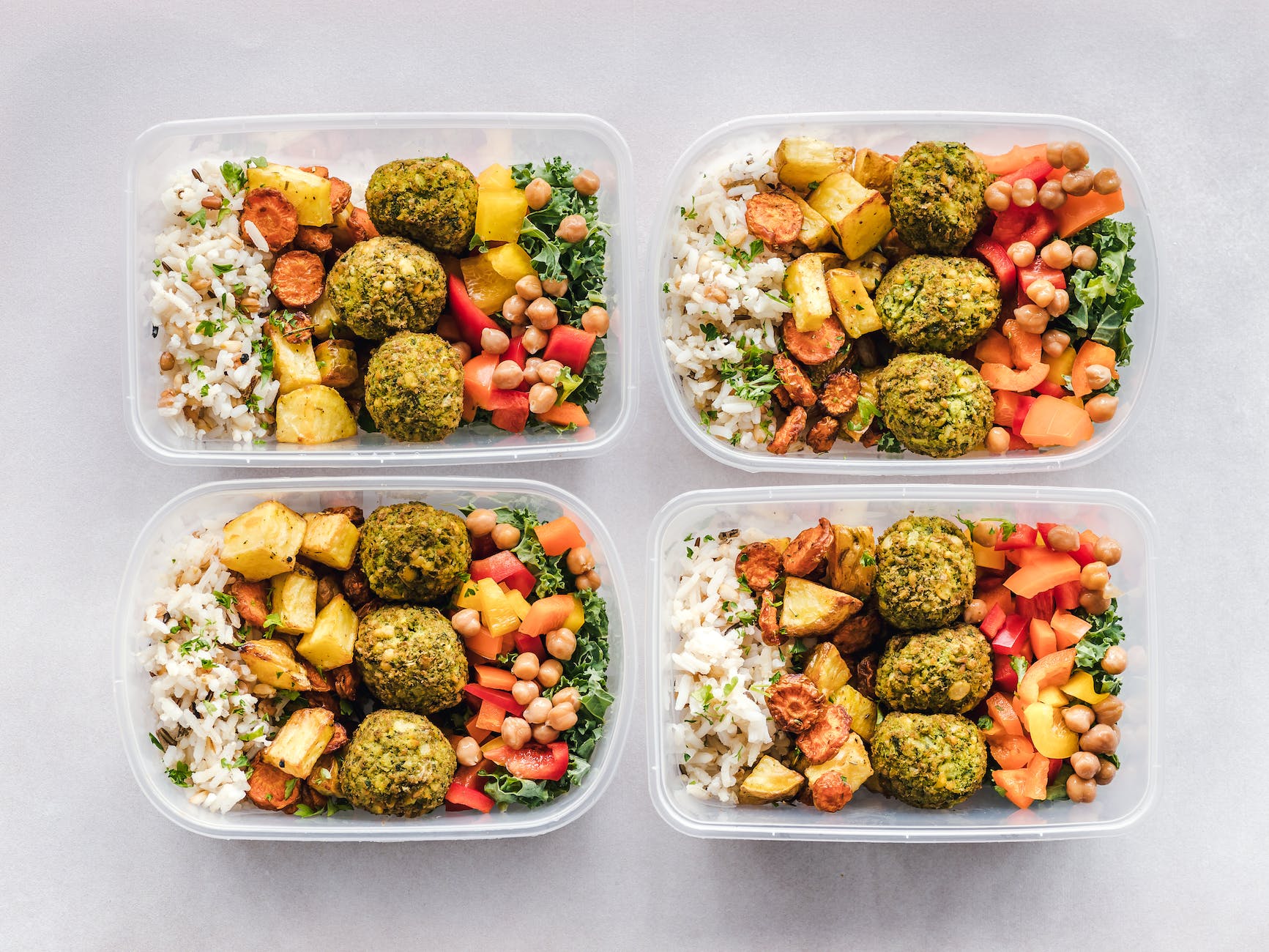
When aiming to gain weight for a sports tournament, it's important to create a well-balanced meal plan that provides adequate nutrition. Include a variety of food groups to ensure a diverse range of nutrients. Prioritize complex carbohydrates like whole grains, fruits, and vegetables for sustained energy. Incorporate lean protein sources such as poultry, fish, lean meats, and plant-based options like tofu and legumes.
Don't forget to include healthy fats from sources like nuts, seeds, avocados, and olive oil. Additionally, ensure you're meeting your micronutrient needs by including a variety of vitamins and minerals from different food sources. Customizing a balanced meal plan based on your caloric needs will support both weight gain and overall health.
Incorporate Calorie-Dense Foods
To support weight gain when preparing for a sports tournament, it's important to include calorie-dense foods in your diet. These foods provide a higher concentration of calories per serving, helping you meet your increased caloric needs. Opt for nutrient-dense options such as avocados, nuts, seeds, nut butter, olive oil, and coconut oil, which are rich in healthy fats. Include carbohydrate sources like whole grains (quinoa, brown rice), potatoes, and whole-wheat bread to provide sustained energy.
Additionally, lean protein sources like chicken, turkey, lean beef, fish, eggs, and legumes can aid in muscle growth. Adding calorie-dense foods strategically to your meals and snacks can contribute to your overall weight gain goals. For extra protein and calories athletes like to click for protein shakes and puddings, which are convenient options to incorporate into your daily routine. These products can provide an easy and effective way to boost your intake while supporting muscle growth and overall nutrition.
Time Your Meals and Snacks
In the process of gaining weight for a sports tournament, the timing of your meals and snacks can play a crucial role. Aim to eat at regular intervals throughout the day, ideally every 2-3 hours. This approach helps maximize your calorie intake and ensures a consistent supply of nutrients to support muscle growth and recovery. Prioritize having a balanced meal or snack within 30 minutes to an hour after completing a workout to replenish glycogen stores and facilitate muscle repair.
Additionally, consider having a small protein-rich snack before bed to provide a sustained release of amino acids during sleep. By strategically timing your meals and snacks, you can optimize nutrient absorption and promote weight gain effectively.
Balance Weight Gain with Performance and Health
While gaining weight is a goal when preparing for a sports tournament, it's crucial to maintain a balance between weight gain, performance, and overall health. Avoid focusing solely on the number on the scale and instead prioritize the quality of your weight gain. Ensure that your weight gain is primarily attributed to muscle mass rather than excessive body fat. Monitor your body composition regularly to track changes accurately.
Remember to prioritize nutrient-dense foods, adequate hydration, and a balanced exercise routine to support optimal performance. Consulting with a healthcare professional or sports nutritionist can help you strike the right balance between weight gain, performance, and long-term health.
Gaining weight when preparing for a sports tournament requires a well-thought-out approach. By understanding your caloric needs, incorporating calorie-dense foods, utilizing nutritional supplements wisely, timing your meals and snacks appropriately, and maintaining a balance between weight gain, performance, and health, you can achieve your goals effectively. Remember to prioritize nutrient-dense foods, consult with professionals when needed, and monitor your progress regularly. With a strategic plan in place, you can support your weight gain journey while optimizing your athletic performance and overall well-being.
- Residential Driveway Planning Guide: Materials, Drainage, Installation, and Maintenance - August 20, 2026
- A Flexible Zion National Park Itinerary for Hikers, Families, and Scenic Road Trippers - August 20, 2026
- Persistent Odors Need Source-Level Treatment: FIRESTONE Restoration Provides Professional Ottawa Sanitizing Services - August 20, 2026