Dogs with Hair vs. Fur: Understanding the Difference & How It Affects Their Care
Many owners often wonder whether their dog has hair or fur when owning a pet. Understanding the distinction between hair and fur is crucial for proper care. This article highlights the difference between dogs with hair vs. fur and how it impacts their grooming requirements and overall well-being.
What Is the Difference Between Hair and Fur?
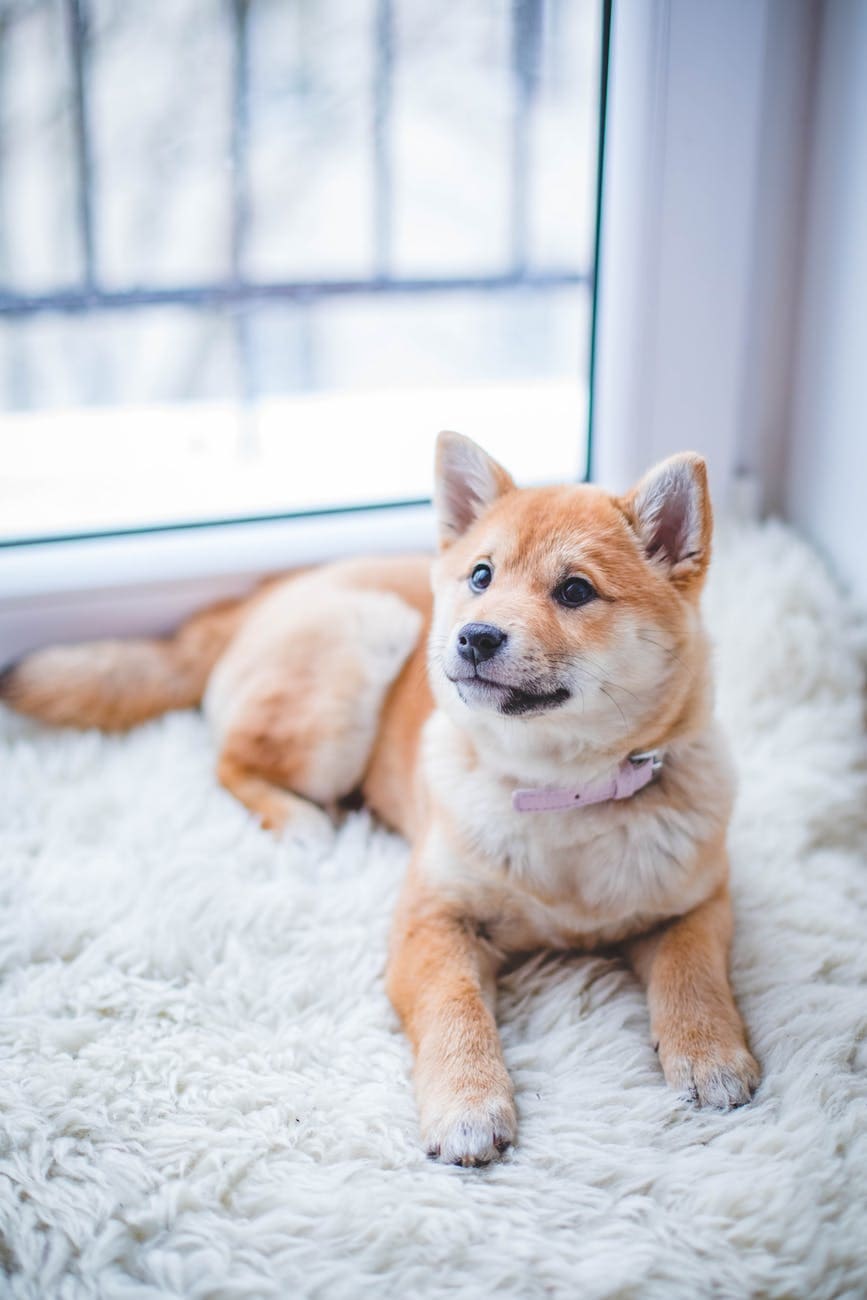
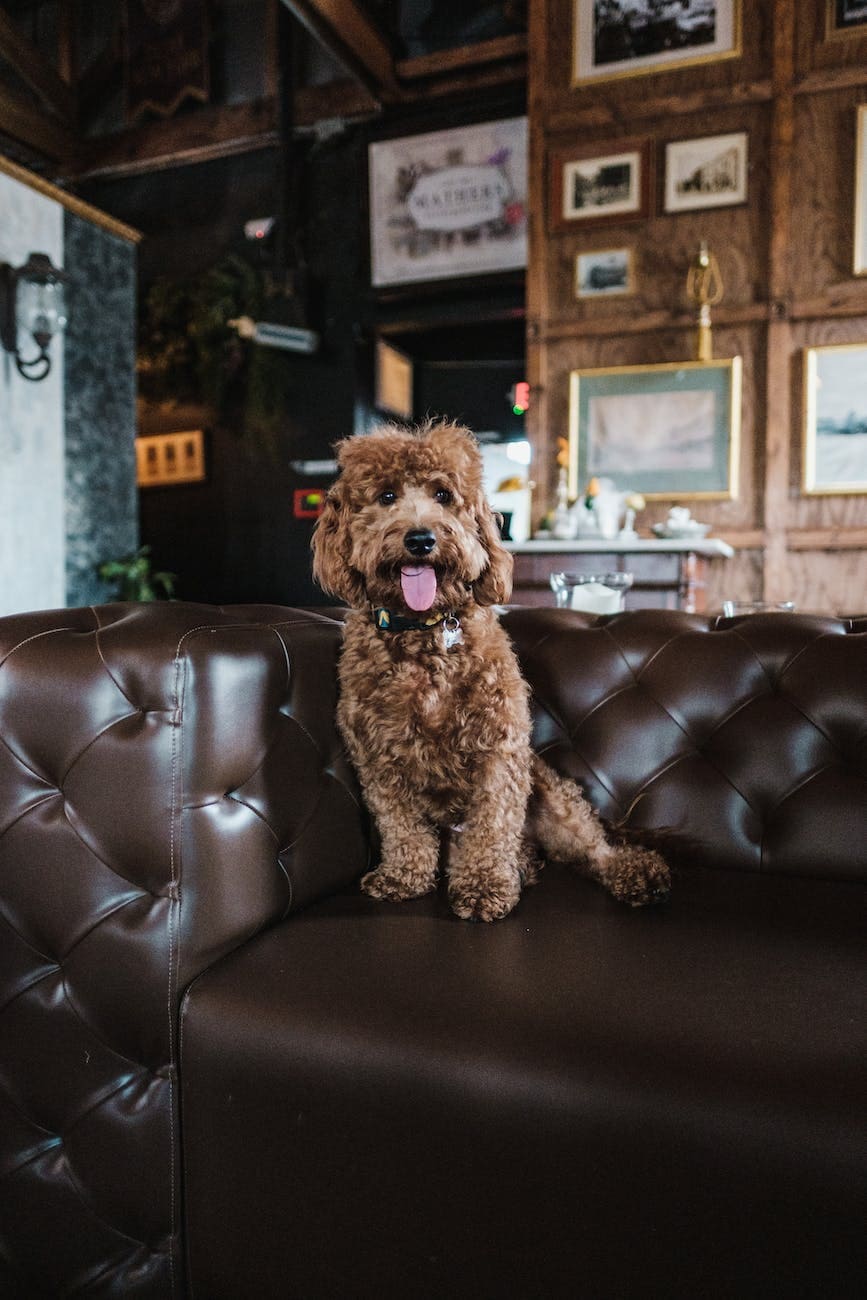
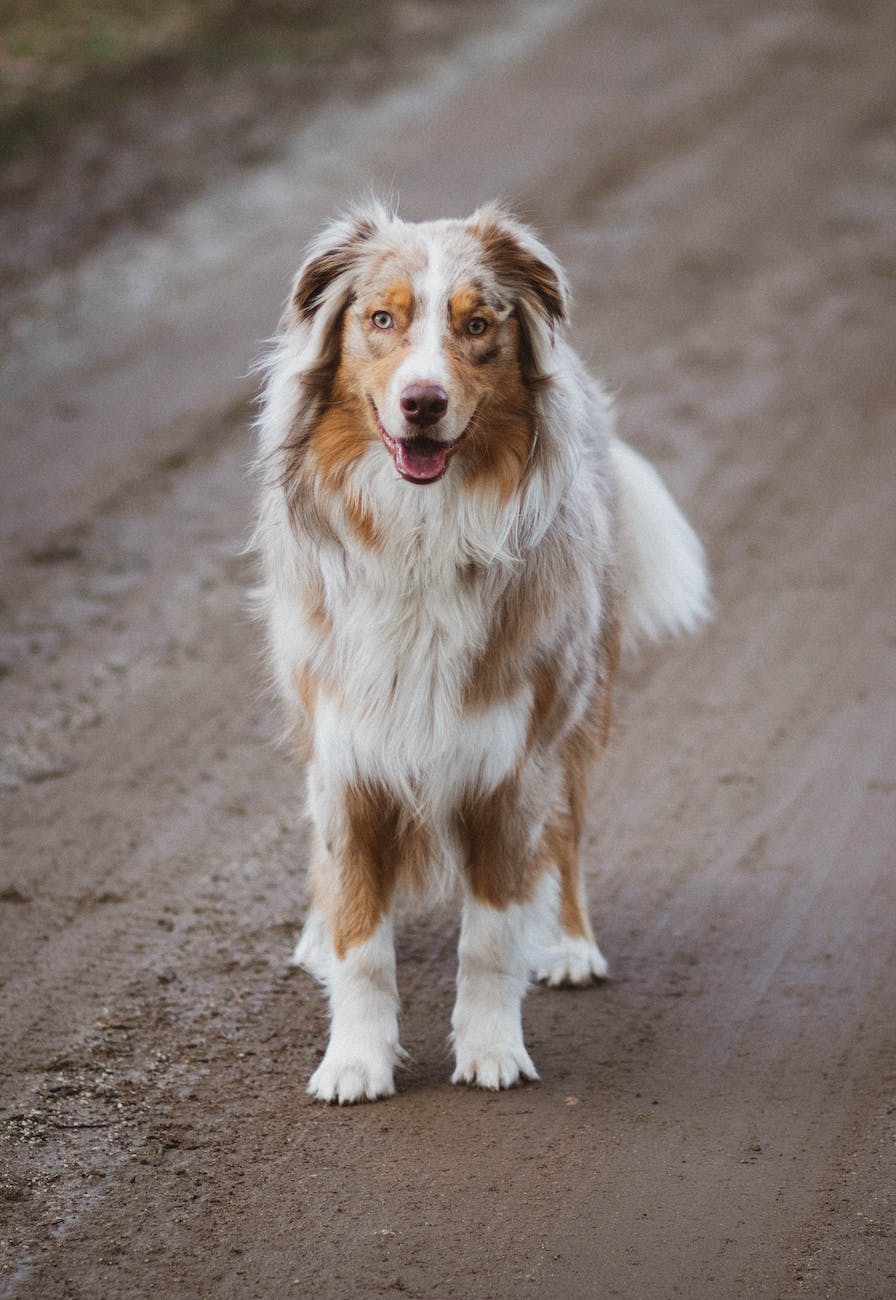
Hair and fur may appear similar, but they possess some intriguing distinctions. Hair refers to long strands that grow from follicles on an animal's skin. Breeds such as Poodles, Shih Tzus, and Maltese dogs have hair. In contrast, animals with fur possess double coats consisting of guard and undercoat hairs. The undercoat hairs are softer and fluffier than the guard hairs. Breeds like Siberian Huskies, Golden Retrievers, German Shepherds, Collies, Chows, and Pomeranians fall into this category.
How Does Hair or Fur Impact Grooming Requirements?
The texture of a dog's coat, whether hair or fur, determines its grooming needs. Dogs with hair require more frequent brushing due to the likelihood of developing mats, which occur more easily with longer hair. Additionally, these breeds often need professional haircuts. Conversely, dogs with a double-layered fur coat require regular brushing sessions to remove dead undercoat hairs. It's important not to shave them as it can damage their skin. Depending on the shedding patterns, they may require occasional professional grooming services.
What Other Significant Differences Exist Between Dogs With Hair and Fur?
Apart from grooming needs, there are other factors related to health that owners should consider when choosing a breed:
Different types of coats provide varying levels of protection from external temperatures. This can impact bathing frequency during colder seasons. Breeds with thinning or wispy coats may require more frequent baths. Moreover, temperature control can affect certain medical conditions, such as arthritis, which can worsen in extreme temperatures. It's essential to discuss potential risks associated with climate changes before adopting a breed known for thinning or wispy coats, like Poodles.
Allergies play a crucial role in breed selection. Some individuals may be allergic to specific coat types, such as dander from double-layered coats. If you have allergies, opting for a breed with wispy coats, like Poodles, may be advantageous. However, it's vital to consult about potential allergies before deciding.
Maintaining hygiene standards in the home environment also varies depending on coat type. Consider the pros and cons of each option before welcoming a new furry friend. Long-haired breeds require more frequent brushing to prevent matting, while shorter-coated breeds typically shed less, reducing the need for daily vacuuming.
Considering these factors ensures proper care for dogs with long hair or thick fluffy undercoats. Before making assumptions about which “type” is the best fit for your lifestyle, take the time to research and gather information. Ultimately, making an informed decision based on facts leads to a successful and fulfilling relationship with your chosen companion.
- How to Develop a Consistent Golf Swing - May 12, 2026
- Ensuring Electrical Panel Safety in Boulder, CO Homes: A Comprehensive Guide - May 11, 2026
- Comprehensive Care: Innovations in Wellness and Recovery - May 11, 2026