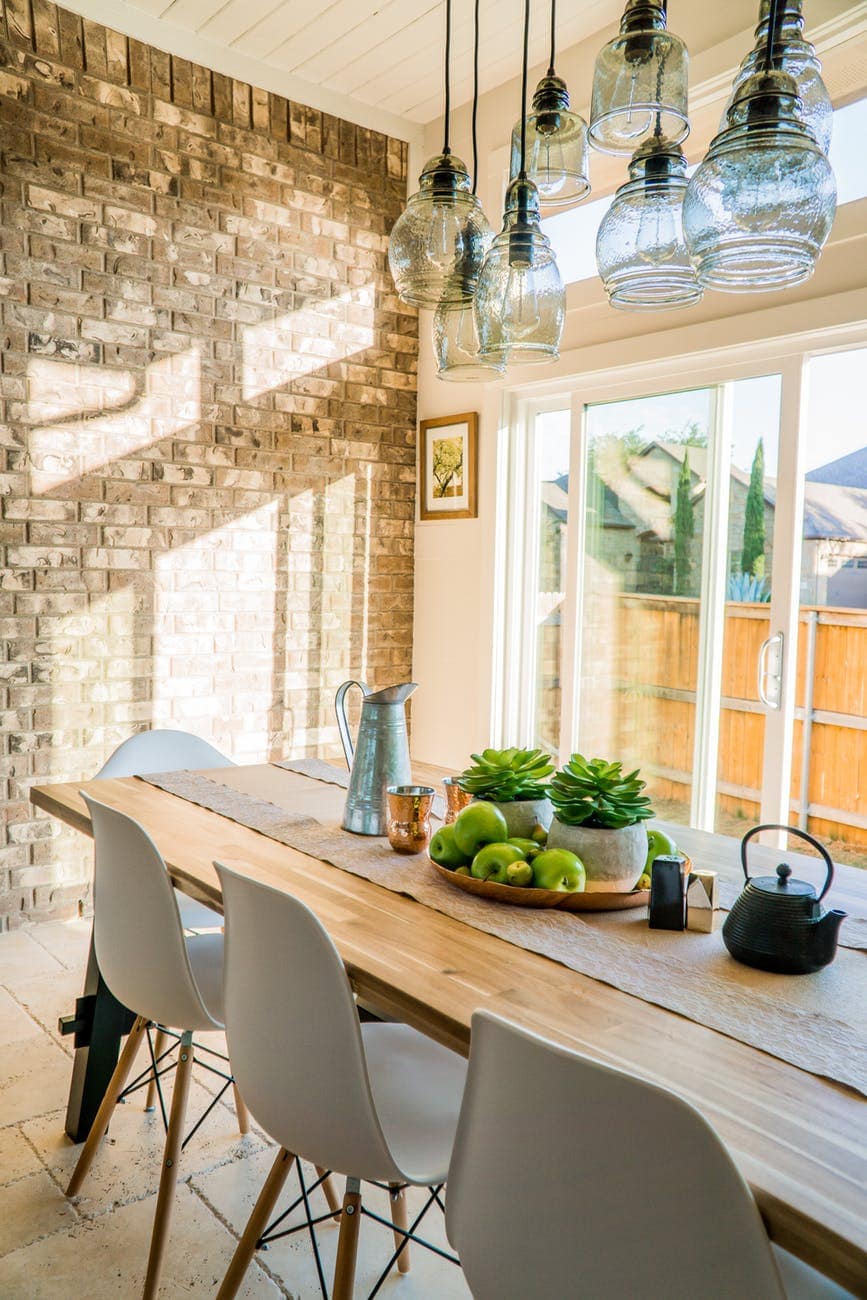
Farm to Table in Your Own Home: How to Cook with Plants You Grow Yourself
There's no denying that farm-to-table dining has become increasingly popular in recent years, as more and more people recognize the benefits of eating fresh, locally sourced food. And while it's wonderful to support local farmers and enjoy the delicious produce they grow, there's something even more satisfying about growing your own food and preparing it in your own kitchen. That's right; we're talking about cooking with plants you grow yourself. The idea of growing your own food might seem daunting, but we're here to help you every step of the way.
In this blog, we'll guide you through the whole process, from planning and planting your garden to cooking and preserving your homegrown produce. You'll also find tips on the most nutritious plant varieties to grow, essential tools and supplies you'll need, and recipes to help you make the most of your harvest. So, whether you have a green thumb or are new to gardening, read on to learn how to bring the farm-to-table experience right into your own home.
Benefits of Homegrown Produce
Growing your own fruits, vegetables, and herbs offers numerous benefits for both you and the environment. First and foremost, homegrown produce is often more nutritious than store-bought options because you can harvest it at its peak ripeness, ensuring the highest possible nutrient content. Additionally, you'll know exactly how your food is grown, allowing you to avoid harmful pesticides and other chemicals that can sometimes be found in commercially produced items.
Environmental benefits of homegrown produce include a reduction in the carbon footprint associated with transporting food from farms to stores, as well as less waste from packaging and plastic containers. Furthermore, gardening itself can be a therapeutic and rewarding activity that can help reduce stress and improve mental wellbeing. As an added bonus, homegrown produce often tastes better than store-bought alternatives, as it's fresher and hasn't been treated with chemicals to extend shelf life.
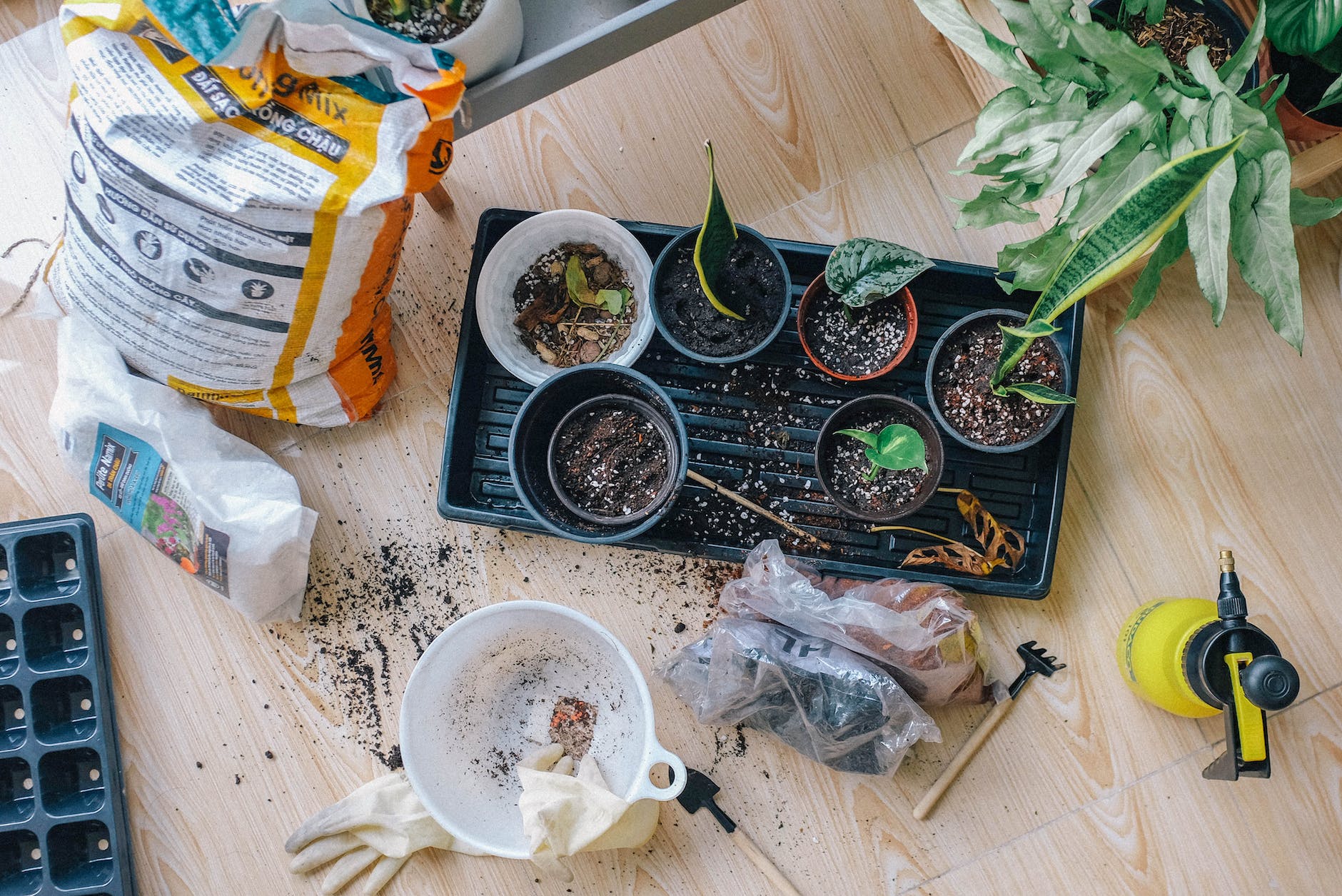
Planning and Planting Your Garden
- Choose a location for your garden: Select a spot with plenty of sunlight, good drainage, and access to water. Keep in mind the amount of space you have available and consider using raised beds or containers if space is limited. You might even decide to create an indoor garden if that is what is available to you.
- Decide on the types of plants you want to grow: Consider factors such as your climate, the amount of sunlight your garden receives, and the types of produce you and your family enjoy eating. Start with a few easy-to-grow options, like lettuce, tomatoes, and herbs.
- Prepare your soil: Healthy soil is crucial for a successful garden. Add organic matter, such as compost or aged manure, to improve soil structure and provide nutrients to your plants. Test your soil's pH levels and adjust as needed.
Essential Tools and Supplies
Quality Gardening Tools
Invest in a set of durable gardening tools, including a trowel, hoe, rake, and pruning shears. These tools will help you maintain your garden and keep your plants healthy.
Organic Fertilizers and Soil Amendments
Choose organic fertilizers and soil amendments to provide your plants with the nutrients they need to thrive without introducing harmful chemicals into your garden.
Pest Control Methods
Opt for natural, eco-friendly pest control methods, such as companion planting, traps, and barriers, to protect your plants without resorting to harsh chemicals.
The Most Nutritious Plant Varieties to Grow
When planning your garden, it's a good idea to focus on plants that pack a nutritional punch. Some of the most nutrient-dense options include leafy greens like kale, spinach, and Swiss chard. These greens are rich in vitamins and minerals, as well as antioxidants that can support overall health. Other nutritious plants to grow include tomatoes, which are high in vitamins A and C, as well as the antioxidant lycopene; sweet potatoes, a great source of vitamin A and fiber; and beans, which are high in protein and important nutrients like iron, zinc, and folate. By growing a variety of nutrient-dense plants, you'll be well on your way to enjoying delicious, homegrown meals that provide a wealth of health benefits.
Step-by-Step Instructions for Cooking with Homegrown Produce
- Harvest your produce at the right time: For the best flavor and nutritional value, harvest your fruits, vegetables, and herbs when they're ripe and ready. This may vary depending on the plant, so research the specific harvesting guidelines for each type.
- Wash and prep your produce: Thoroughly rinse your homegrown fruits and vegetables to remove any dirt or pests. Remove any damaged or spoiled parts, and trim or peel as needed.
- Incorporate your produce into your favorite recipes: Use your homegrown ingredients in your favorite dishes, or look for new recipes that showcase your harvest. Be creative and enjoy the satisfaction of cooking with ingredients you've grown yourself.
Tips for Preserving Homegrown Produce
If you find yourself with more produce than you can eat immediately, preserving is a great way to extend the life of your harvest and enjoy it year-round. Some popular methods of preserving include canning, freezing, and drying. Canning involves heating and sealing your produce in jars, making it shelf-stable for months or even years. Freezing is a simple way to preserve your fruits and vegetables, and it often retains more nutrients than canning. Drying involves removing the moisture from your produce, either by using a dehydrator, an oven, or air-drying. Each method has its own benefits and drawbacks, so choose the one that best suits your needs and preferences.
Recipes to Utilize Your Homegrown Produce
There are countless ways to use your homegrown fruits, vegetables, and herbs in delicious and nutritious recipes. Some ideas include using your fresh greens in salads or smoothies, making homemade tomato sauce with your garden tomatoes, and incorporating herbs into your favorite dishes for added flavor. As your garden grows and you become more confident in your gardening abilities, experiment with new recipes that showcase different combinations of your homegrown produce. And don't be afraid to share your creations with friends and family – after all, one of the best parts of growing your own food is sharing the delicious results with others.
Advice for Storing Your Harvest
When storing and preserving your homegrown produce, keep in mind the specific storage requirements for each type of fruit, vegetable, or herb. Some general guidelines to follow include:
| Produce Type | Storage Temperature | Storage Location |
|---|---|---|
| Leafy greens | 32°F – 35°F | Refrigerator |
| Tomatoes | 50°F – 70°F | Counter |
| Root vegetables | 32°F – 40°F | Cool, dark place |
| Herbs | 30°F – 32°F | Refrigerator |
By properly storing your harvest, you'll be able to enjoy your homegrown produce for as long as possible, reducing waste and making the most of your gardening efforts.
Conclusion
With the right planning, tools, and knowledge, you can successfully grow and cook with your own produce, bringing the farm-to-table experience into your own home. Not only will you enjoy the freshest, most nutritious ingredients, but you'll also reap the environmental and mental health benefits of gardening. So why not give it a try? Get your hands dirty, and start planting the seeds for a healthier, more sustainable lifestyle today.
- Residential Driveway Planning Guide: Materials, Drainage, Installation, and Maintenance - August 20, 2026
- A Flexible Zion National Park Itinerary for Hikers, Families, and Scenic Road Trippers - August 20, 2026
- Persistent Odors Need Source-Level Treatment: FIRESTONE Restoration Provides Professional Ottawa Sanitizing Services - August 20, 2026