Baking Secrets: How To Get Excellent Results Every Time
Baking for your friends and family can be fun. But while you get the results right sometimes, there are other times when you question yourself. That shouldn’t be the case. The only difference between you and an experienced chef is a few tips and tricks. And even if you never attended culinary or pastry school, you can learn these tips and apply them the next time you hit the kitchen. So, here are some tips to help you get excellent baking results every time.
- Use unsalted butter
Most baking recipes will specify that you use unsalted butter. But even if it doesn’t, it’s best to stick with this type of butter, as it is usually the ideal choice. Understanding the advantages of salted vs unsalted butter is the key to controlling flavor when baking. Salted butter may add extra taste, but it also comes with added salt that can affect how the gluten in your flour will develop. And this will affect your dough’s consistency as well.
- Use ingredients at room temperature unless the recipe requires otherwise
Frozen butter may not mix well, and cold eggs may have too much viscosity. Plus, some nutrients in baking ingredients, especially protein, behave differently when hot or cold, affecting your baking results. So, it’s best to always use ingredients at room temperature when baking. You can allow your eggs, for example, to sit on the counter for about 30 minutes, but not longer than 2 hours, after taking them out from the refrigerator.
- Don’t mess with the oven door
Opening your oven now and then to monitor your progress will affect the outcome. So, once you shut the oven door, it’s best to leave it closed. The influx of air can cause heat to escape, affecting the temperature. Therefore, although you may want to open the oven door occasionally, try to refrain from it and allow the time indicated in the recipe.
- Follow the recipe and directions
Baking and cooking allow you to personalize recipes to suit your taste or preference. But if you’re trying a new baking recipe for the first time, you’re better off following the cooking directions exactly as you read them. You’ll be surprised how much even the smallest detail may count. So, if the instructions or directions say “grease the pan” first or “preheat your oven” at a specific temperature, that’s what you should do. Regarding the ingredients, you can make minor changes appropriate for health or taste reasons. But remember how your changes can affect your outcome.
- Get the measurement right
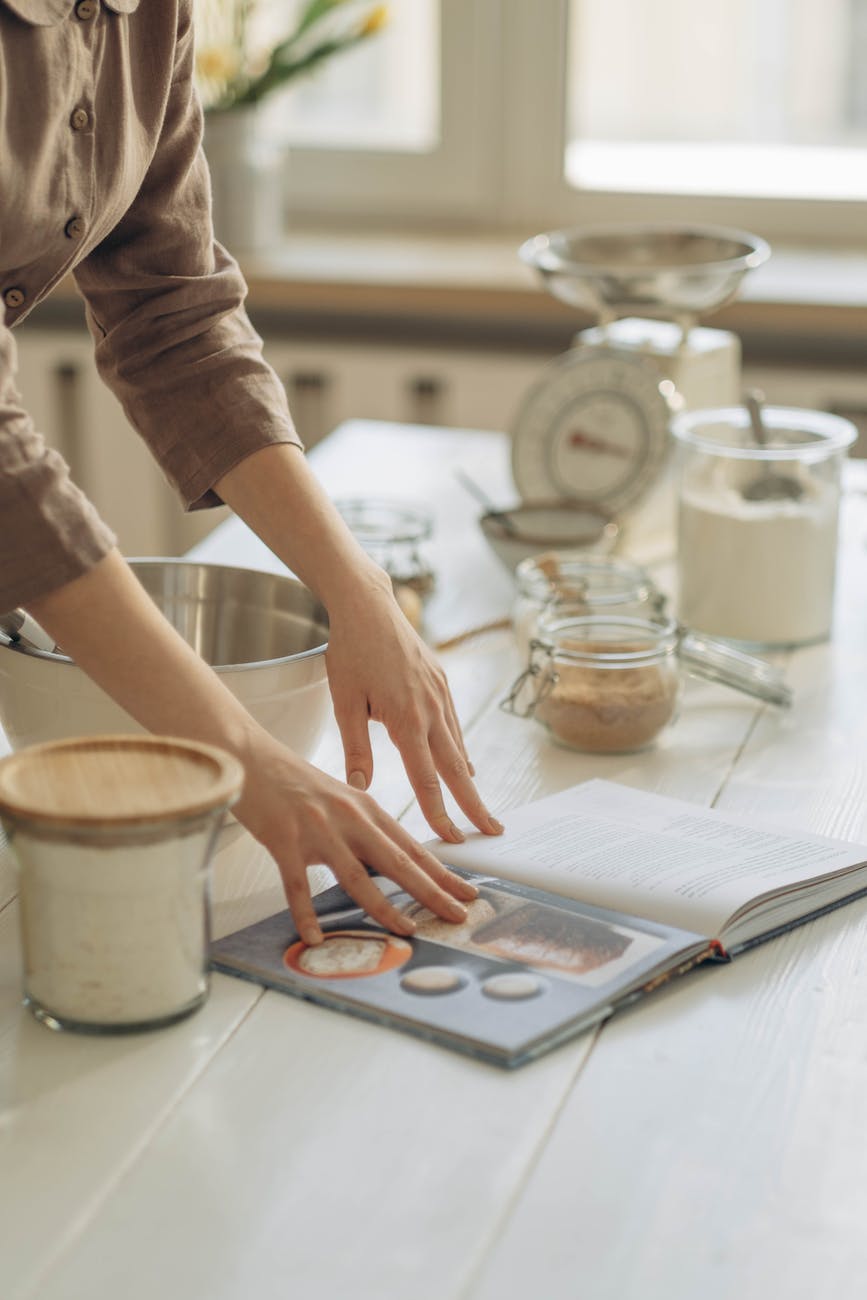
Measurement is one of the most important factors when baking. Using a digital scale when weighing your ingredients would be best. But if you don’t have one, you can use other techniques, depending on the ingredient. For example, always use clear or see-through measuring cups with spouts when measuring liquid ingredients. You can spoon them into a measuring cup and level the surface with a sweeping motion for dry ingredients. This way, you wouldn’t scoop too much without noticing it. It’s also not bad to focus on recipes measured in grams instead of cups and pounds.
- Residential Driveway Planning Guide: Materials, Drainage, Installation, and Maintenance - August 20, 2026
- A Flexible Zion National Park Itinerary for Hikers, Families, and Scenic Road Trippers - August 20, 2026
- Persistent Odors Need Source-Level Treatment: FIRESTONE Restoration Provides Professional Ottawa Sanitizing Services - August 20, 2026